
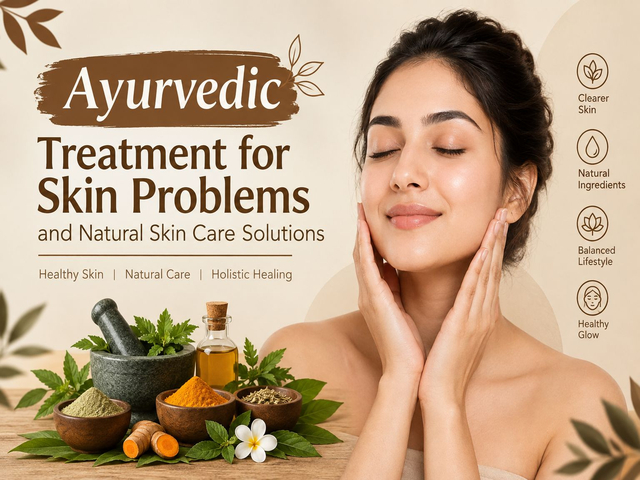
Ayurvedic Treatment for Skin Problems and Natural Skin Care Solutions
Skin problems such as acne, pigmentation, dryness, itching, rashes, and premature ageing can affect both skin health and confidence. While many conventional skincare products focus on managing visible symptoms, Ayurveda takes a holistic approach to skin health, considering factors such as diet, lifestyle, daily routines, and individual constitution.
Ayurvedic treatment for skin problems focuses on supporting healthy skin through personalized care, natural ingredients, balanced nutrition, and lifestyle practices. When guided by a qualified Ayurvedic practitioner, these approaches can complement a healthy skincare routine and help address the underlying factors that may contribute to recurring skin concerns.
What Causes Common Skin Problems?
Skin problems can have many different causes. Environmental exposure, stress, hormonal changes, genetics, diet, allergies, inadequate sleep, and unsuitable skincare products may all influence skin health.
Some common skin concerns include:
- Acne and pimples
- Dry or rough skin
- Excessive oiliness
- Skin pigmentation
- Uneven skin tone
- Itching and irritation
- Eczema-like symptoms
- Premature signs of ageing
- Dull or tired-looking skin
Because the cause and severity can vary from person to person, an individualized approach is important when considering Ayurvedic treatment for skin problems.
How Ayurveda Approaches Skin Health
Ayurveda views skin health as part of overall wellbeing. Instead of focusing only on the external appearance of the skin, Ayurvedic care may consider digestion, lifestyle, sleep, stress, diet, and other individual factors.
An Ayurvedic practitioner may assess an individual’s constitution and current health patterns before recommending a suitable approach.
Depending on the person’s needs, an Ayurvedic wellness plan may include:
- Dietary and lifestyle recommendations
- Herbal preparations where appropriate
- Traditional Ayurvedic therapies
- Personalized skincare routines
- Stress-management practices
- Sleep and daily-routine improvements
- Natural skin care practices
The objective is to encourage healthier habits while supporting the skin’s natural functions.
Ayurvedic Treatment for Acne and Pimples
Acne is one of the most common skin concerns, particularly among teenagers and young adults. It can also continue into adulthood due to hormonal changes, stress, genetics, and other factors.
An Ayurvedic approach to acne treatment may include personalized dietary guidance, lifestyle modifications, gentle skincare, and traditional herbal preparations recommended by a qualified practitioner.
Avoiding excessive oiliness, harsh products, frequent touching or picking of the skin, and other potential triggers can also be helpful.
For persistent, painful, or severe acne, professional dermatological evaluation is important to prevent complications such as scarring.
Natural Skin Care Solutions for Healthy Skin
Natural skincare does not necessarily mean using every herbal ingredient available. The most effective routine is usually one that is simple, consistent, and suitable for your skin type.
Some basic natural skin care practices include:
1. Keep Your Skin Clean
Cleanse the skin gently to remove excess oil, dirt, and environmental pollutants. Avoid excessive washing or harsh cleansers that may irritate the skin.
2. Keep Your Skin Hydrated
Adequate hydration supports normal skin function. Use a moisturizer that suits your skin type and drink enough water throughout the day.
3. Eat a Balanced Diet
A balanced diet containing vegetables, fruits, whole grains, healthy fats, and adequate protein can support overall health and skin wellbeing.
4. Protect Your Skin From the Sun
Regular sun protection is an important part of maintaining healthy-looking skin and reducing sun-related skin damage. Use a broad-spectrum sunscreen suitable for your skin type and follow the product’s directions.
5. Prioritize Sleep and Stress Management
Poor sleep and ongoing stress can affect overall wellbeing and may contribute to certain skin concerns. Maintaining a consistent sleep schedule and incorporating relaxation activities can support a healthier lifestyle.
Ayurvedic Herbs Commonly Used in Traditional Skin Care
Several plants and herbs have a long history of use in traditional Ayurvedic practices. Examples include neem, turmeric, aloe vera, sandalwood, and manjistha.
However, “natural” does not automatically mean “safe for everyone.” Herbal products can cause irritation or allergic reactions, and some preparations may interact with medications. It is therefore advisable to consult a qualified practitioner before using concentrated herbal preparations, particularly for persistent skin conditions.
Ayurvedic Skin Care vs. Natural Skin Care: What’s the Difference?
Although the terms are sometimes used interchangeably, they are not exactly the same.
Natural skincare generally refers to skincare practices or products that emphasize naturally derived ingredients.
Ayurvedic skincare is based on the traditional Ayurvedic system and takes a broader approach that may include diet, lifestyle, herbal preparations, traditional therapies, and personalized recommendations.
A suitable skincare routine can combine gentle everyday skincare with professional guidance when a persistent skin concern requires further attention.
When Should You Consult a Professional?
Not every skin problem should be treated at home. You should consider consulting a dermatologist or qualified healthcare professional if you experience:
- Severe or painful acne
- Rapidly spreading rashes
- Persistent itching or inflammation
- Unexplained changes in pigmentation
- Skin lesions that change in appearance
- Signs of infection
- Skin problems that do not improve with basic care
A professional can help determine the possible cause and recommend an appropriate treatment plan.
Frequently Asked Questions
Is Ayurvedic treatment good for skin problems?
Ayurveda offers traditional approaches to supporting skin health through personalized lifestyle, dietary, skincare, and herbal practices. The suitability of any Ayurvedic treatment depends on the individual’s condition and should be assessed by a qualified practitioner.
What is the best Ayurvedic treatment for skin problems?
There is no single Ayurvedic treatment that is best for everyone. An Ayurvedic practitioner may recommend a personalized approach based on the individual’s skin concern, overall health, lifestyle, and other factors.
Can Ayurveda help with acne and pigmentation?
Ayurvedic approaches may support overall skin health through lifestyle, diet, skincare, and traditional herbal practices. Persistent acne or significant pigmentation should be assessed by a qualified healthcare professional to identify possible underlying causes.
What are some natural skin care solutions?
Simple natural skin care practices include gentle cleansing, regular moisturization, sun protection, a balanced diet, adequate hydration, sufficient sleep, and stress management.
Are Ayurvedic herbs safe for the skin?
Not necessarily for everyone. Some herbs and herbal preparations may cause irritation or allergic reactions. It is best to consult a qualified practitioner before applying concentrated herbal products or using herbal preparations for a specific skin condition.
Conclusion
Healthy skin starts with consistent care and a healthy lifestyle. Ayurvedic treatment for skin problems offers a holistic, individualized approach that may incorporate diet, lifestyle, traditional therapies, herbal preparations, and personalized skincare.
2 comments
Tom Monroe
October 16, 2015 at 7:34 am
Credibly innovate granular internal or \”organic\” sources whereas high standards in web-readiness. Energistically scale future-proof core competencies vis-a-vis impactful experiences. Dramatically synthesize integrated schemas with optimal networks.
Jessica Brown
October 16, 2015 at 10:26 am
Globally incubate standards compliant channels before scalable benefits. Quickly disseminate superior deliverables whereas web-enabled applications. Quickly drive clicks-and-mortar catalysts for change before vertical architectures.