
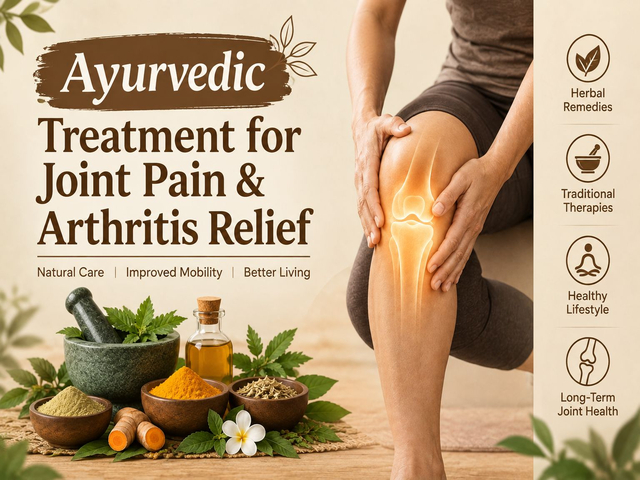
Ayurvedic Treatment for Joint Pain & Arthritis Relief
Joint pain is a common concern that can affect everyday activities such as walking, climbing stairs, exercising, or even getting out of bed. It may occur due to ageing, injuries, repetitive strain, inflammation, or conditions such as osteoarthritis and rheumatoid arthritis.
For people looking for natural approaches to managing joint discomfort, Ayurvedic treatment for joint pain and arthritis relief offers a traditional, holistic approach. Ayurveda focuses on supporting overall wellbeing through personalized diet, lifestyle practices, herbal preparations, and traditional therapies.
However, joint pain can have many causes, so identifying the underlying condition is important before starting any treatment.
What Causes Joint Pain and Arthritis?
Joint pain can develop for several reasons. Some common causes include:
- Age-related wear and tear of joints
- Osteoarthritis
- Rheumatoid arthritis
- Previous injuries
- Muscle or ligament strain
- Repetitive physical activity
- Lack of physical activity
- Excess body weight
- Inflammation and other health conditions
Symptoms can range from mild stiffness to persistent pain, swelling, and reduced mobility. If joint pain is severe, sudden, or persistent, professional medical evaluation is recommended.
How Ayurveda Approaches Joint Pain
Ayurveda takes an individualized approach to health. Traditional Ayurvedic practices may consider factors such as a person’s constitution, lifestyle, diet, activity levels, and overall health when developing a wellness plan.
An Ayurvedic approach to joint health may include:
- Personalized diet and lifestyle recommendations
- Traditional Ayurvedic therapies
- Herbal preparations recommended by a qualified practitioner
- Massage using suitable oils
- Gentle movement and stretching
- Weight-management support when appropriate
- Sleep and stress-management practices
The goal is to support mobility, comfort, and overall quality of life rather than relying on a single remedy.
Ayurvedic Treatment for Arthritis
Ayurvedic treatment for arthritis may involve a combination of traditional therapies, lifestyle modifications, dietary recommendations, and herbal preparations.
The appropriate approach can differ depending on the type of arthritis and the individual’s symptoms. For example, osteoarthritis and inflammatory forms of arthritis may require different medical management.
Ayurvedic therapies should therefore be personalized rather than using the same treatment for every person.
Ayurvedic Massage for Joint Comfort
Traditional Ayurvedic oil massage, often known as Abhyanga, is commonly used as part of Ayurvedic wellness practices.
A practitioner may recommend specific oils and massage techniques depending on the individual’s needs. Gentle massage may help promote relaxation and temporary comfort, particularly when combined with appropriate movement and other lifestyle practices.
It should not replace medical treatment for an underlying joint disease.
Herbal Approaches for Joint Health
Ayurvedic traditions include a variety of herbs that have historically been used to support joint and musculoskeletal health. Examples include turmeric, ginger, boswellia, and ashwagandha.
However, herbal products can vary considerably in formulation and concentration. Some may also interact with medications or be unsuitable for certain people.
For this reason, it is best to use herbal preparations under the guidance of a qualified Ayurvedic practitioner or healthcare professional.
Natural Ways to Support Joint Health
1. Stay Physically Active
Regular, appropriate movement can help maintain flexibility and muscle strength. Low-impact activities such as walking, swimming, cycling, or gentle yoga may be suitable for some people.
If exercise increases your pain significantly, consult a healthcare professional before continuing.
2. Maintain a Healthy Weight
Excess body weight can increase mechanical stress on weight-bearing joints such as the knees and hips. Maintaining a healthy weight can therefore be an important part of long-term joint health.
3. Follow a Balanced Diet
A nutritious diet containing vegetables, fruits, whole grains, adequate protein, and healthy fats can support overall health.
Rather than relying on a single “arthritis food” or supplement, focus on maintaining a varied and balanced eating pattern.
4. Practice Gentle Stretching
Gentle stretching and mobility exercises can help maintain range of motion. Exercises should be adapted to your ability and health condition.
5. Get Adequate Rest
Rest is important when your body is recovering from physical activity. At the same time, prolonged inactivity may contribute to stiffness, so finding a healthy balance between movement and rest is important.
Ayurvedic Remedies for Joint Pain: What Should You Know?
The internet contains many home remedies for joint pain, including herbal pastes, oils, supplements, and dietary combinations. While some ingredients have traditional uses, natural does not automatically mean safe or effective for every person.
Before trying an Ayurvedic remedy:
- Understand the ingredients and formulation.
- Check whether it may interact with existing medicines.
- Avoid applying unknown substances to irritated or damaged skin.
- Consult a qualified practitioner for persistent symptoms.
- Do not stop prescribed arthritis medication without medical advice.
A personalized approach is generally safer than self-treating ongoing joint pain.
Can Ayurveda Help With Knee Pain?
Knee pain is one of the most common musculoskeletal complaints. It may result from osteoarthritis, injury, overuse, muscle weakness, or other conditions.
An Ayurvedic approach to knee pain may include lifestyle guidance, traditional oil massage, appropriate movement, dietary recommendations, and other therapies selected according to the individual’s needs.
For ongoing knee pain, however, it is important to determine the underlying cause. Medical evaluation may be necessary, particularly when there is significant swelling, instability, injury, or difficulty bearing weight.
Ayurveda and Arthritis: A Holistic Approach
One of the key features of Ayurveda is its emphasis on an individual’s overall lifestyle. Instead of focusing exclusively on joint discomfort, an Ayurvedic wellness plan may consider:
- Diet
- Daily routine
- Physical activity
- Sleep
- Stress
- Personalized therapies
This holistic perspective can encourage people to develop sustainable habits that support general wellbeing alongside appropriate medical care.
When Should You See a Doctor for Joint Pain?
Not all joint pain should be managed with home remedies or complementary therapies. Seek professional medical attention if you experience:
- Severe or sudden joint pain
- Significant swelling or redness
- Joint pain following a serious injury
- Fever along with joint pain
- Persistent morning stiffness
- Difficulty walking or using the affected joint
- Joint pain that continues or progressively worsens
- Unexplained weight loss or significant fatigue
A healthcare professional can help identify the cause and determine the appropriate treatment.
Frequently Asked Questions
What is the best Ayurvedic treatment for joint pain?
There is no single Ayurvedic treatment that is best for everyone. Depending on the individual’s symptoms and health status, an Ayurvedic practitioner may recommend a combination of lifestyle changes, dietary guidance, traditional therapies, and herbal preparations.
Can Ayurveda provide arthritis relief?
Ayurvedic approaches may support overall wellbeing and help some people manage discomfort as part of a broader care plan. However, Ayurveda should not be considered a replacement for evidence-based medical treatment, particularly for inflammatory arthritis or other diagnosed conditions.
Which Ayurvedic herbs are traditionally used for joint health?
Turmeric, ginger, boswellia, and ashwagandha are among the herbs traditionally used in Ayurvedic practices. Their suitability depends on the individual, dosage, formulation, and other medications or health conditions.
What is a natural way to manage joint pain?
Maintaining appropriate physical activity, a healthy weight, balanced nutrition, adequate rest, and good sleep can support joint health. Professional guidance is recommended when pain is persistent or severe.
Can Ayurvedic massage help with joint discomfort?
Traditional Ayurvedic massage may promote relaxation and temporary comfort for some people. The type of oil and technique should be selected appropriately, particularly when someone has an underlying joint condition.
Is Ayurvedic treatment safe for arthritis?
Safety depends on the specific therapy, herbal preparation, medical condition, and medications being used. Consult a qualified Ayurvedic practitioner and healthcare professional before starting herbal medicines or intensive therapies.
Conclusion
Ayurvedic treatment for joint pain and arthritis relief provides a holistic approach that may combine traditional therapies, personalized lifestyle guidance, dietary recommendations, and herbal practices.
Supporting joint health also involves everyday habits such as staying appropriately active, maintaining a healthy weight, eating a balanced diet, getting adequate sleep, and managing stress.