
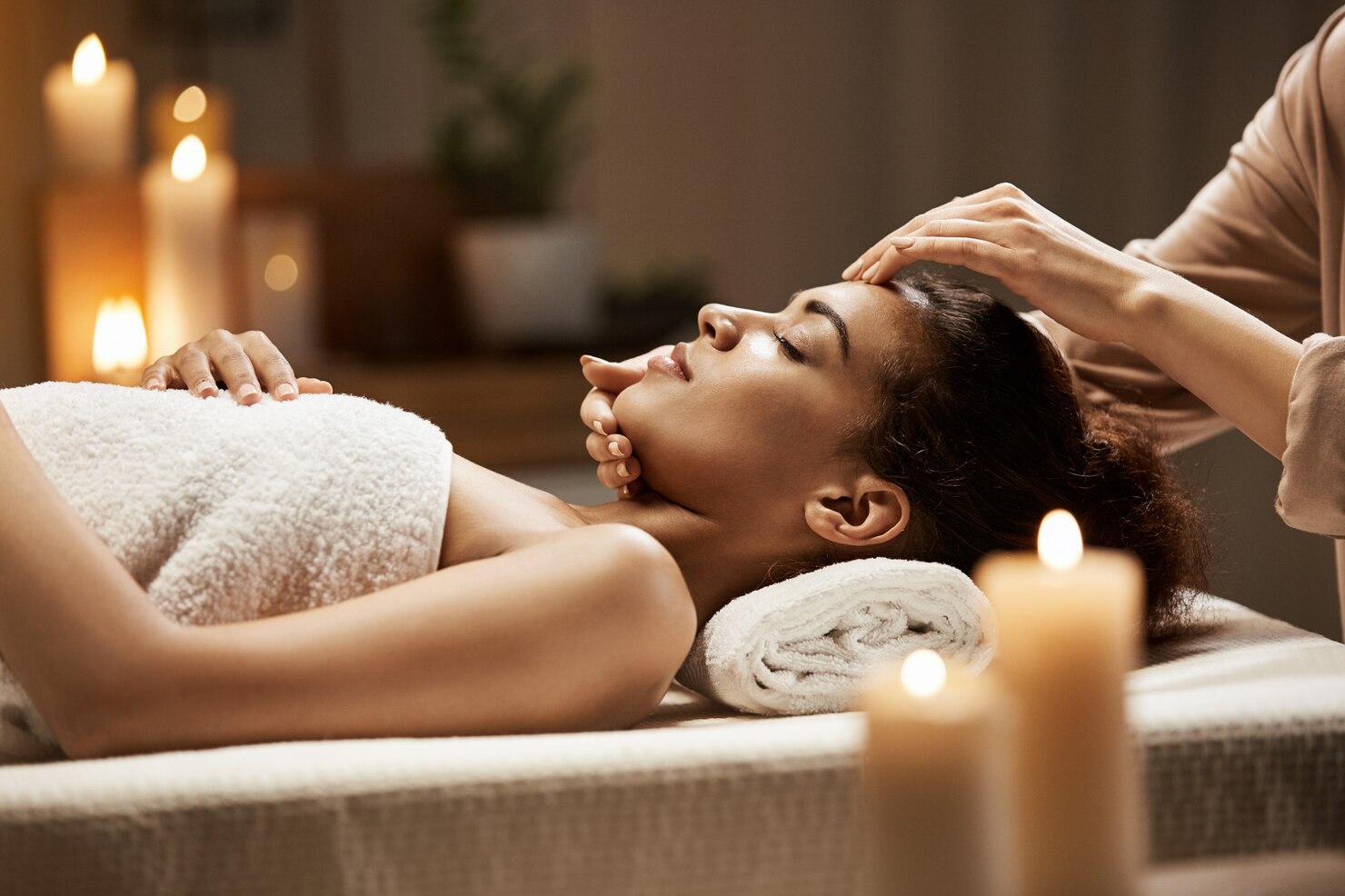


Understanding Panchakarma in Ayurveda
Panchakarma refers to a group of traditional Ayurvedic procedures selected according to an individual’s needs and practitioner assessment. In Ayurveda, these procedures are discussed in relation to concepts such as doshas and ama. A qualified practitioner should assess suitability and explain the proposed plan before treatment begins.
Panchakarma may be discussed as part of an individualised Ayurvedic care plan. Symptoms alone do not determine whether these procedures are appropriate; assessment by a qualified practitioner is needed.
During a consultation, discuss your health concerns, medical history and wellness goals with the practitioner.
Panchakarma Therapies and Related Procedures
| Therapy | Traditional description |
|---|---|
| Abhyanga | A traditional Ayurvedic oil massage. Suitability and the method used should be determined during consultation. |
| Swedana | A traditional Ayurvedic sudation or heat-based therapy. The method and suitability should be assessed by the practitioner. |
| Vasti (Basti) | A traditional Ayurvedic procedure involving administration through the nasal route. The practitioner should explain its purpose, risks and suitability before treatment. |
| Nasya | A traditional Ayurvedic procedure described in Ayurveda as therapeutic purgation. It should only be considered after assessment and appropriate professional supervision. |
| Virechana | Supervised internal purification for Pitta-related imbalances |
The Three Stages of a Panchakarma Plan
- Phase 1: Preparation (Purva Karma) — Depending on the prescribed plan, preparatory steps may be recommended before the main procedures. The practitioner should explain the steps, duration and precautions.
- Phase 2: Main procedures (Pradhana Karma) — The procedures included depend on the individual assessment and treatment plan. Not every person will receive the same procedures.
- Phase 3: Follow-up and aftercare (Paschat Karma) — The practitioner may provide individualised advice on food, daily routine and follow-up after treatment. Follow the guidance for your specific plan.
Your treatment plan will be explained before sessions begin. Lumara’s team will clarify who provides each procedure and the level of practitioner supervision.
Aftercare and Follow-Up
Experiences after treatment vary. Your practitioner can explain the expected recovery period, possible side effects and when to seek medical advice based on the procedures in your plan.
- Follow the dietary instructions provided by your practitioner for your individual treatment plan.
- Follow the food and drink guidance provided by your practitioner. Recommendations may vary according to your treatment plan and health needs.
- Ask your practitioner when to resume usual physical activities and follow any recovery instructions provided.
- Attend any recommended follow-up appointment and discuss questions or concerns with your practitioner.
There is no single schedule that suits everyone. Repeat treatment should be considered only after a fresh assessment and discussion with the practitioner.
Frequently Asked Questions About Panchakarma
Panchakarma procedures may not be suitable during pregnancy. ?
Anyone who is pregnant or may be pregnant should tell the practitioner before treatment is considered and seek appropriate medical advice. Do not mention an alternative protocol without clinical approval.
How long does a Panchakarma treatment plan take?
Duration depends on the procedures recommended and your individual assessment. Your practitioner can explain the proposed schedule, preparation and follow-up during consultation.
Will I need to change my diet during treatment?
Dietary guidance may be part of some treatment plans. Follow the advice provided by your practitioner, taking your health needs and any other medical advice into account.
Can Panchakarma be considered for ongoing health concerns?
Panchakarma is a traditional Ayurvedic approach, but it is not a substitute for medical diagnosis or evidence-based treatment. Suitability depends on the individual and should be discussed with a qualified practitioner. Continue prescribed medical care unless your treating clinician advises otherwise.
Is Panchakarma suitable for you?
A consultation helps the practitioner review your health history, current medicines, concerns and suitability before recommending any procedure.
Have questions about Panchakarma?
Contact Lumara Medical Center in Al Karama, Dubai, to enquire about a consultation.
- Category
- Services
- Type of service
- Detox & Rejuvenation
- Duration
- Typically 7–21 days (personalized)